
The Allure of Chance
The inherent allure of casino games lies in the element of chance, which captivates players and draws them into a thrilling world of unpredictability. The adrenaline rush experienced upon winning can trigger a surge of dopamine, the brain’s reward chemical, creating an addictive cycle of pleasure and anticipation. This biochemical response, combined with the excitement of risk, often overshadows the reality of the odds that are typically stacked against players. Many individuals are attracted to the dream of hitting it big, especially when they consider options for an online casino instant withdrawal that seems too good to pass up, making it difficult to resist the call of the next game, regardless of past outcomes.
Moreover, the design of casino environments plays a crucial role in enhancing the thrill of chance. Casinos are meticulously crafted spaces that create an atmosphere of excitement and anticipation. Bright lights, enticing sounds, and strategically placed game tables contribute to a sensory overload, heightening emotional responses and compelling players to immerse themselves in the experience. This carefully curated environment fosters a sense of urgency, often leading players to continue betting in hopes of a significant win, while temporarily neglecting rational analysis of their chances and finances.
Understanding the psychology behind risk-taking behaviors can illuminate why many people are drawn to casino games, even when the potential for loss is high. Cognitive biases, such as the gambler’s fallacy—the mistaken belief that past outcomes can influence future results—can lead players to disregard statistical probabilities. This misunderstanding of chance creates a trap, as players convince themselves that their next bet might break their losing streak or capitalize on a perceived winning pattern, further entrenching their gambling behaviors in a cycle that is difficult to escape.
The Role of Loss Aversion
Loss aversion is a psychological phenomenon where individuals prefer to avoid losses rather than acquiring equivalent gains. This principle significantly influences casino players, as they often experience a more intense emotional reaction to losing money compared to the joy of winning. As a result, players may increase their wagers in a desperate attempt to recover their losses, leading to a deeper financial commitment and potential ruin. The compulsive pursuit of getting back to even can propel players deeper into the world of gambling, making it challenging to break free from the cycle of chasing losses.
Additionally, loss aversion explains why players often continue to engage in games even during prolonged losing streaks. The fear of acknowledging a loss can create a psychological barrier, preventing rational decision-making. This behavior is often compounded by the “sunk cost fallacy,” where players invest more time and money into recovering their losses instead of recognizing when to stop. This emotional investment distorts their perception of the game, making it harder to disengage from gambling activities that are no longer enjoyable or financially viable.

Interestingly, casinos exploit this psychological tendency to their advantage. Many games are engineered to provide near-misses, allowing players to feel as though they are close to winning, thereby amplifying their feelings of loss aversion. These near-wins can serve as powerful motivators, encouraging players to keep betting in hopes of achieving an actual win. This reinforcement of the cycle of gambling leads individuals to cling to the belief that their efforts will eventually result in a payoff, despite the unchanged odds stacked against them.
The Social Aspect of Gambling
The social dynamics within casinos play a significant role in shaping the psychological experience of gaming. Gambling often serves as a communal activity, where players gather around tables and share in the highs and lows of the game. This social interaction creates a sense of belonging, making the experience more enjoyable and compelling. For many, the casino becomes a social hub where friends meet to celebrate victories, fostering camaraderie that enhances the overall entertainment value of the experience.
Moreover, casinos capitalize on this social element by offering games that require group participation, such as poker and other card games. These games encourage interaction and strategic discussion among players, creating a vibrant atmosphere that draws individuals in. The social pressure to participate, combined with the competitive nature of these games, can lead players to spend more time and money gambling. Players may feel motivated not only by personal enjoyment but also by the desire to maintain their social status within their peer group.
Additionally, the presence of staff and other players can profoundly impact individual betting behavior. Interactions with dealers and other gamblers can heighten the sense of urgency and excitement, enhancing the overall experience. This dynamic can lead to impulsive decision-making as players feed off the energy of those around them. To encourage this social atmosphere, casinos often provide complimentary drinks or snacks, which further enrich the experience while diminishing the rational thinking needed to assess one’s gambling behavior critically.
The Impact of Game Design
The psychological impact of game design is a critical factor that casinos exploit to maximize player engagement. Each game is meticulously engineered to keep players entertained and invested, utilizing vibrant graphics and immersive sound effects to create a stimulating experience that captivates attention. The layout of slot machines, for instance, often features flashing lights and enticing sounds that evoke a heightened sense of anticipation and excitement. This sensory stimulation is designed to keep players engaged for extended periods, often leading them to lose track of time and money.
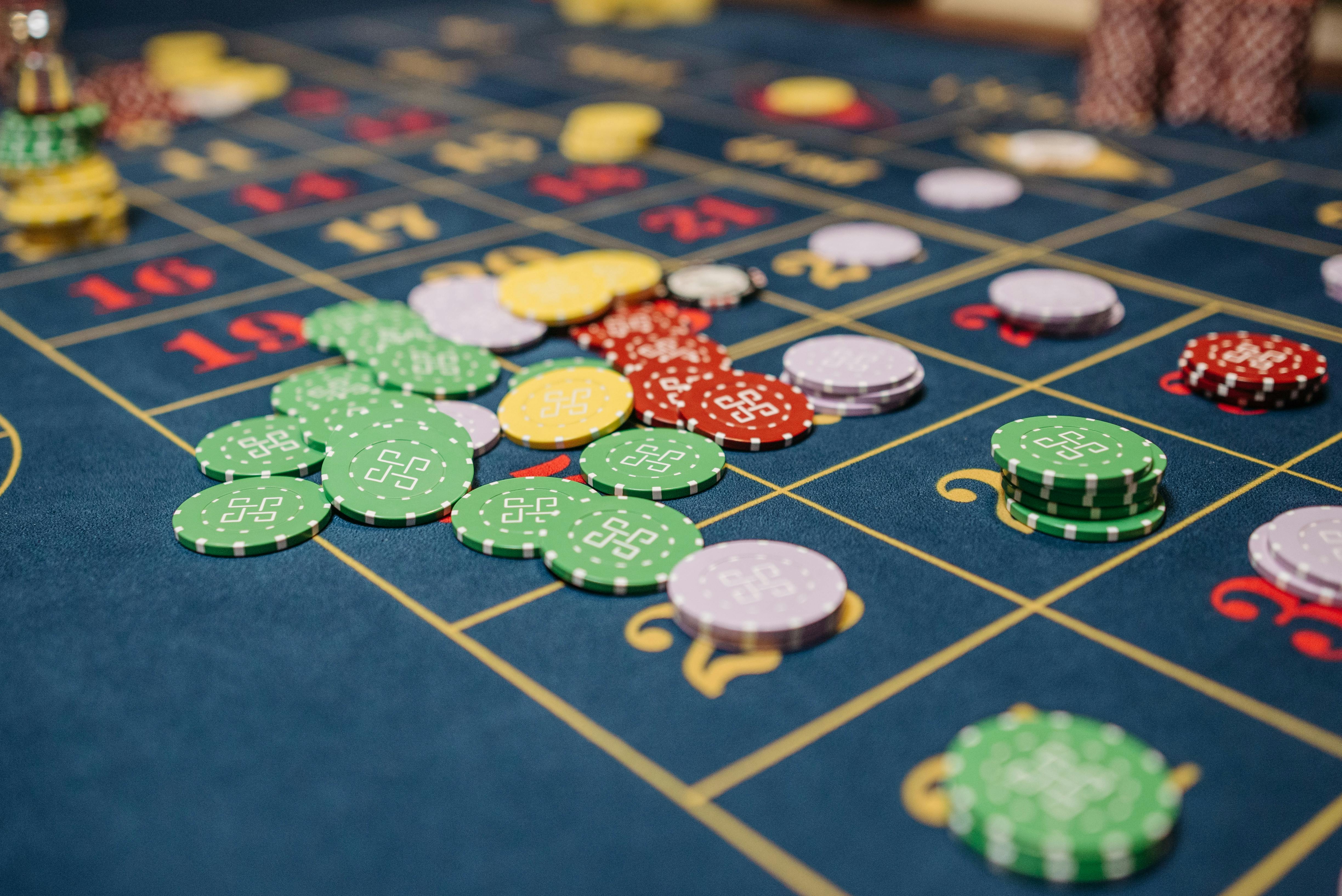
Moreover, variable reward schedules form a fundamental aspect of game mechanics that appeal to players’ psychological triggers. Unlike games of skill where outcomes can be more predictable, games of chance frequently provide intermittent rewards, creating a sense of unpredictability and maintaining player interest. This reinforcement schedule makes players feel as though they are destined to win at some point, encouraging them to continue playing in anticipation of the next big win. The strategic design of these games effectively builds a compelling gaming experience that keeps players returning for more, often against their better judgment.
An essential aspect of game design is the notion of personal control, where players believe they have a say in the outcome of the game, even in luck-based games like slots. This illusion of control, combined with the excitement of uncertainty, can lead players to engage more deeply. The way games present choices to players—whether through betting options or game features—enhances their sense of involvement, encouraging them to invest emotional and financial resources into the game. This involvement complicates their gambling behavior, making it difficult to recognize when play has shifted from enjoyment to addiction.
Understanding the Online Gaming Landscape
The rise of online casinos has significantly transformed the gambling landscape, introducing new psychological dynamics that differ from traditional settings. The convenience of online gaming allows players to gamble from the comfort of their homes, which can exacerbate compulsive behaviors. Lacking the physical environment of a casino, players may feel less accountable for their betting habits, leading to increased risk-taking behavior. This anonymity diminishes the social pressure to moderate gameplay, resulting in excessive time and money spent on gambling.
Moreover, online casinos employ sophisticated algorithms and analytics to tailor experiences to individual players, enhancing the psychological grip of gaming. Personalized bonuses, targeted promotions, and custom gameplay features create a sense of exclusivity that makes players feel special and valued, further encouraging continued engagement. These tactics can lead to a cycle of dopamine release as players experience short-term rewards, reinforcing their desire to keep playing. The combination of advanced technology and psychological strategies creates a potent mix that can lead to problematic gambling behaviors, often without players realizing the extent of their involvement.
Additionally, the constant connectivity provided by the internet means that players are frequently bombarded with opportunities to gamble, making it difficult to resist temptation. Push notifications, email promotions, and social media advertisements maintain player engagement and foster a sense of urgency to play. This omnipresence can make it challenging for individuals to detach from gambling, leading to adverse effects on mental health and financial stability. Consequently, understanding these aspects of online gaming is essential for promoting responsible gambling practices and fostering consumer awareness in an increasingly digital age.